
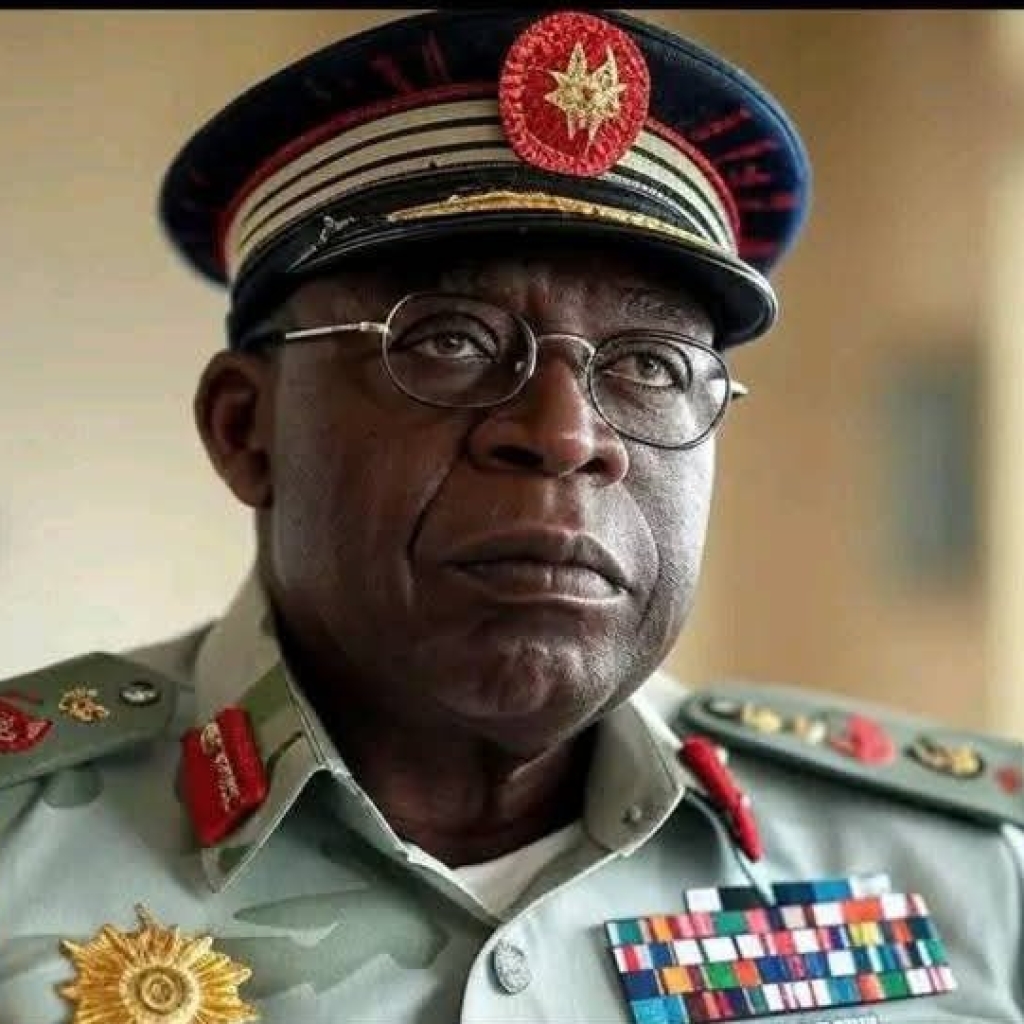
The declaration “Subsidy is gone” on May 29, 2023, by President Bola Ahmed Tinubu triggered a wave of socio-economic changes across Nigeria.
A contentious figure in Nigerian politics, Tinubu’s presidency is fraught with both fanfare and skepticism. Indeed, the viral ‘TerribleTinubu’ hashtag has emerged as one of the most prominent reactions from a significant portion of Nigeria’s digital population. It appears to be a symbol of growing frustration, discontent, and dissatisfaction with the economic hardship under the Tinubu presidency.
The Emergence of #TerribleTinubu
The #TerribleTinubu trend gained traction as a reaction to the soaring cost of living and its impact on Nigerians, many of whom blame Tinubu’s leadership style and economic policies for the hardship.
Although the hashtag initially surfaced in online communities on social media platforms like X, its usage escalated due to perceptions of mismanagement in critical areas such as the economy, security, and governance.
Tinubu’s journey to the presidency was marked by controversy, including accusations of electoral malpractice, health concerns, and the undue influence of political elites.
While some Nigerians expressed hope that his administration would bring about positive change, that optimism has faltered as governance challenges have emerged in his first year in office.
From online discourse, it is clear that #TerribleTinubu represents not just dissatisfaction with one man but a broader critique of a political system that continues to perpetuate cycles of failure on key governance issues. The hashtag has become a widespread expression of disillusionment.
The Social Media Revolution
In recent years, social media has become a powerful tool for political expression in Nigeria. Hashtags like #EndSARS and #BuhariMustGo have demonstrated the power of online activism, and #TerribleTinubu is no exception.
Nigerians, particularly the youth, are increasingly using X, Instagram, and other platforms to make their voices heard.
Social media has become a space for political discourse and an alternative avenue for speaking truth to power, especially as traditional media channels often face government censorship or control.
However, while social media can amplify voices of dissent, it is not without its drawbacks. The anonymity of online platforms often leads to a lack of civility, and political discourse can quickly devolve into personal attacks and vitriol.
How Can President Bola Ahmed Tinubu Leverage the #TerribleTinubu Trend to Improve Public Perception?
President Tinubu’s administration faces a crucial moment in its tenure. Public discontent, eloquently expressed on social media, reflects Nigerians’ frustrations with the country’s current state. To improve public perception of his government and policies, the President must take a proactive, transparent, and inclusive approach to governance.
Here are a few recommendations:
- Prioritize Transparency to Improve Communication with the Public: Nigeria faces a massive trust gap, which is a major hurdle for President Tinubu in building the shared prosperity he envisions.Regular, clear, and public updates on government actions, challenges, and policies will promote understanding and foster a sense of joint ownership, improving trust.
- Promote a Culture of Respect: The high-handed tone of communication from the President’s office and other levels of government is further alienating the people they seek to serve. It is possible to be respectfully firm when necessary.First, acknowledge and address the struggles Nigerians are facing. The government’s measures may be well-intentioned, but the people feel the pinch and need to know that their challenges are recognized. Leaders must show the vision to get people to buy into the hope agenda.If you want people to row with you, you must show them that you are not going to abandon them on the high seas.
- Address Criticisms with Facts Without Being Defensive: The greatest source of dissatisfaction with the Tinubu administration is the cocktail of economic challenges: currency devaluation, the rising cost of living, high business costs, and overall inflation, which have left many Nigerian families and businesses struggling.President Tinubu is taking action to reverse these trends, but he must effectively communicate what is being done and why.
- Build a positive narrative around the administration’s achievements in reversing economic hardships, however small they may seem. Use real people sharing real stories to keep hope alive. Let respected and trusted figures communicate what Nigerians can look forward to. Taiwo Oyedele, for example, is a shining example of a trusted voice.
- Strengthen fiscal discipline and transparency in government spending. This is an area where Nigerians have serious trust issues. Addressing this proactively will win hearts and minds. The government must be—and be seen to be—fiscally responsible.
- Nigerians need assurance that public funds are being used for their benefit and that there is no wastage or corruption in critical sectors.
- Promote Inclusivity and National Unity: Nigeria is a nation rich in cultural, intellectual, and economic diversity—a great competitive advantage. Sadly, judging by online conversations, this diversity seems more of a curse than a blessing.President Tinubu has the opportunity to leave a lasting legacy by setting the tone at the top. Every speech, announcement, press release, and meeting should reinforce the shared narrative of strength in diversity. Inclusivity must be actively pursued to build a nation where no one feels oppressed or excluded.
The #TerribleTinubu hashtag is more than just an online trend; it reflects the frustrations and disillusionment of Nigerians who feel their voices are not being heard by their government. It presents an opportunity for the President to create positive change.
To transform public perception and gain trust, he must act swiftly in applying an inclusive communication strategy. By respectfully engaging all stakeholders with transparency, the Tinubu administration can reshape its leadership narrative and improve its public image.
Well, it’s Tinubu, he does as he pleases…